Causes of ETP Foaming and How to Control It
Foaming in ETP systems can disrupt treatment efficiency, damage equipment, and lead to non-compliance. Learn the causes and effective solutions to control foaming.
Table of Contents
1. What is Foaming in ETP?
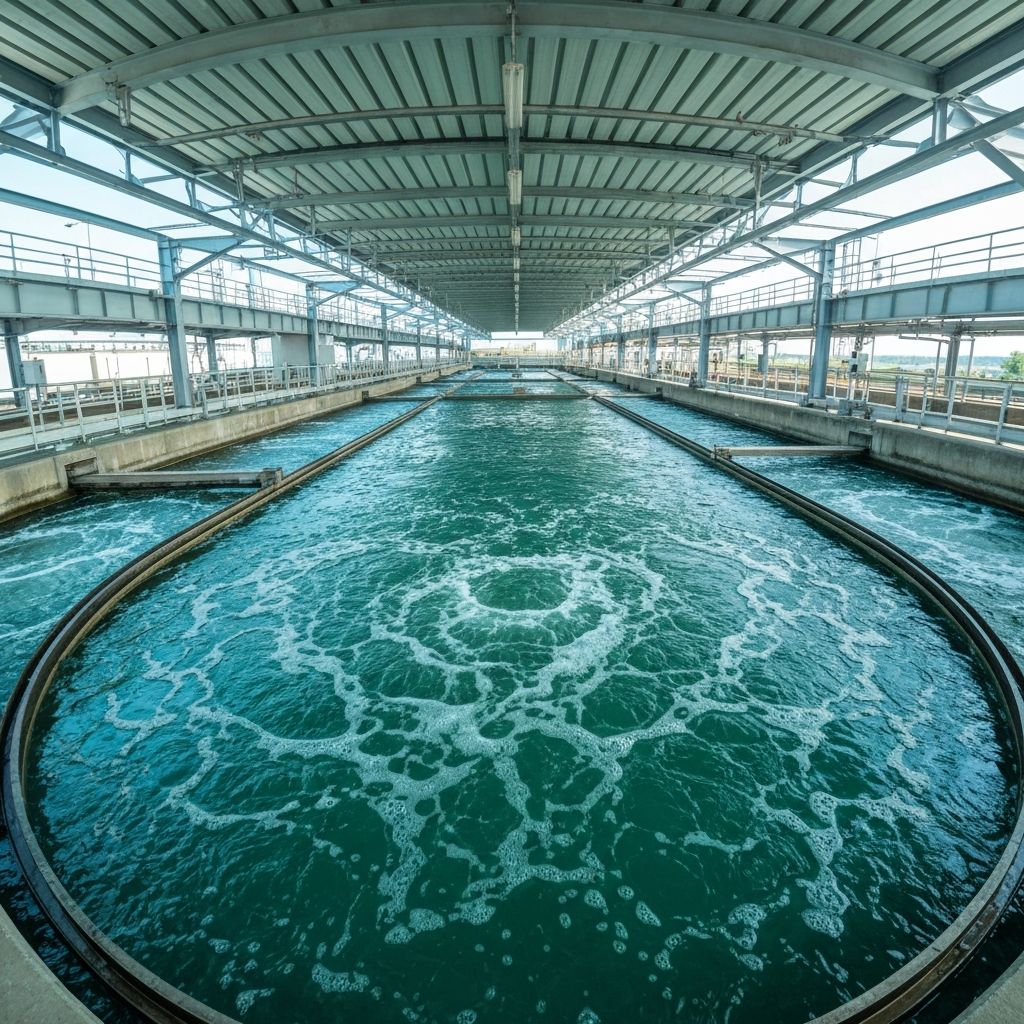
Foaming in an Effluent Treatment Plant (ETP) is the formation of stable bubbles on the surface of aeration tanks, clarifiers, or other treatment units. Excessive foam can carry pollutants out of the system and reduce the efficiency of treatment.
Key Takeaway: Foaming indicates an imbalance in the biological or chemical process within the ETP.
2. Common Causes of Foaming
Foaming can occur due to several reasons, including:
High Organic Load
High concentration of oils, fats, proteins, or carbohydrates.
Detergents & Surfactants
Presence of detergents, soaps, or surfactants in the wastewater.
Microorganisms
Certain filamentous bacteria like Nocardia cause persistent foam.
Chemical Imbalance
Overdosing of chemicals or improper pH can trigger foaming.
Low Dissolved Oxygen
Insufficient DO can promote foaming microorganisms.
3. Problems Caused by Foaming
Excessive foaming can lead to:
Carryover of sludge and pollutants
Reduced treatment efficiency
Equipment corrosion and damage
More chemical consumption
Non-compliance with discharge norms
4. How to Control Foaming in ETP
Effective control of foaming involves identifying the cause and applying the right treatment.
| Control Method | Description |
|---|---|
| Reduce Organic Load | Implement source control and proper segregation of high-FOG waste. |
| Optimize Aeration | Maintain adequate DO levels and avoid over-aeration. |
| Use Anti-Foaming Agents | Add suitable anti-foaming chemicals in recommended doses. |
| pH & Chemical Control | Maintain optimal pH and avoid excess chemical dosing. |
| Control Filamentous Bacteria | Maintain proper F:M ratio and use targeted treatments if required. |
| Regular Monitoring | Monitor MLSS, DO, pH, and sludge characteristics regularly. |
5. Best Practices to Prevent Foaming
Maintain a balanced nutrient ratio.
Ensure proper DO levels (2–4 mg/L in aeration tank).
Avoid shock loading and sudden changes in wastewater characteristics.
Use anti-foam agents proactively in high-risk systems.
Perform regular maintenance of blowers and diffusers.
6. Conclusion
Foaming in ETP is a common issue, but with the right understanding and control strategies, it can be effectively managed. A well-operated system ensures stable performance, lower costs, and compliance with environmental norms.
Need Help Controlling Foaming in Your ETP?
Our experts can analyze your system, identify the root cause, and recommend the best solutions for stable operation.